Sustainability
The Land of Going Green
Sustainability, in the broadest sense, is all about maintaining ecological balance over time for future generations. And when it comes to Cleveland and the state of Ohio, protecting and preventing the depletion of natural resources – like Lake Erie and the Cuyahoga River – is top of mind.
Did you know Ohio is ranked in the top third of the country among the best states in the nation for climate change? And thanks to private and public partners coming together, Cleveland is now a leader in the sustainability movement.
There are many substantive sustainability initiatives already in place in the Greater Cleveland area, but the best part is we’re just getting started.
A River Reborn
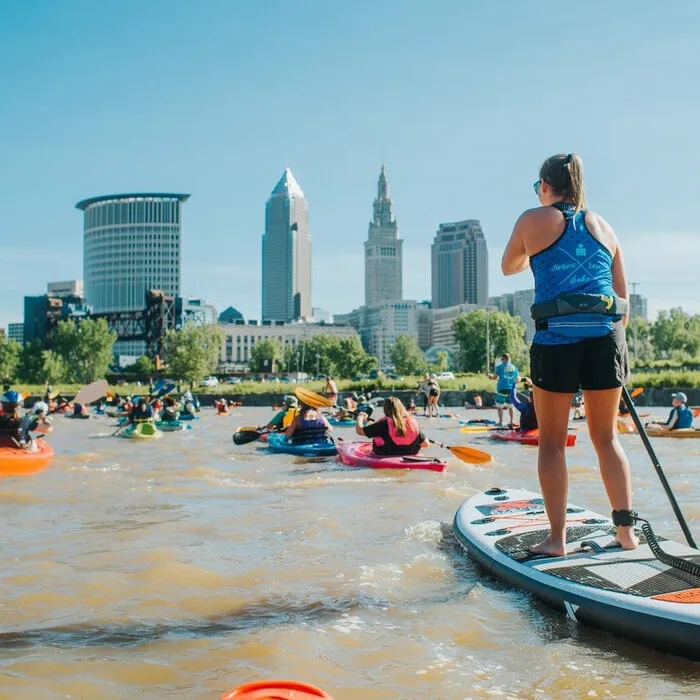
It’s a well-known story: More than 50 years ago, the Cuyahoga River erupted into flames from pollution on an oil-slicked stretch near a steel plant.
What’s not widely known, though, is that the national environmental movement was ignited in large part because of Cleveland. The river spurred a movement in environmental responsibility when Cleveland Mayor Carl Stokes testified before Congress for federal legislation to clean up Cleveland’s water. His transformative efforts led to the creation of the Environmental Protection Agency in 1970 and the 1972 Clean Water Act.
For years, the innovative vision of leaders has continued to move Greater Cleveland forward. Improved river quality has led to increased development on the river. Now and forever, Cleveland is focused on building a thriving green city on a blue lake.
Sustainable Business
Northeast Ohio companies like Eaton, Cleveland Cliffs, J.M. Smucker and Lubrizol integrate sustainability into core business strategies and operations with established environmental impact goals and reduced waste, water and energy usage. Some other local sustainable businesses and organizations include:
-
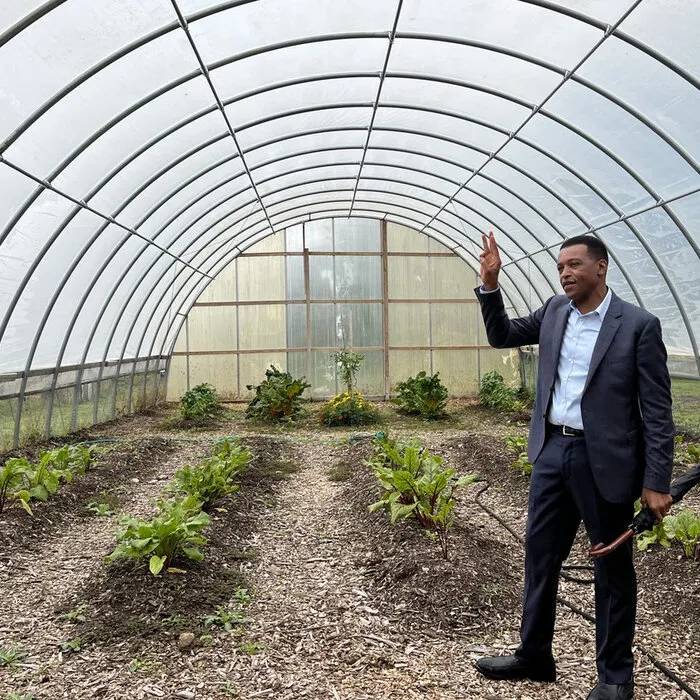
Rid-All Green Partnership transformed a former illegal dumping site in Cleveland's Kinsman neighborhood into a 15-acre agriculture campus to grow nutritious food for local residents and train others on environmental sustainability, urban farming, and wellness.
-
Rust Belt Riders is a small, worker-owned cooperative that works with other local organizations to compost all kinds of food waste, redirecting loads of rubbish from landfills to farms.
-
Great Lakes Brewery for decades has recycled promotional materials for heating and repurposing vegetable oil to create biodiesel fuel for delivery trucks, composted its restaurant leftovers to support local farming, and sent excess barley to local farmers and bakers.
Efforts & Initiatives

Greater Cleveland proudly offers a number of community-based and city-supported sustainability initiatives, some of which include:
-
In 2024, with the aid of a new grant, the Sustainable Stores program plans to purchase and distribute up to 25,000 reusable bags for low-income consumers to use for grocery and other shopping purposes.
-
The Cuyahoga River is the center of one of the most ambitious sustainability projects in Cleveland's history: The Vision for the Valley. The project to re-imagine the river is led by the City of Cleveland, Cleveland Metroparks, Port of Cleveland and Flats Forward.
Other sustainability programs include updating the County Climate Action Plan, a plan to expand EV charging stations and a plan to expand the Residential Solar Co-op program. There's even something in the works to put solar systems on high school rooftops and develop basic climate change education programs.
Parks & Trails
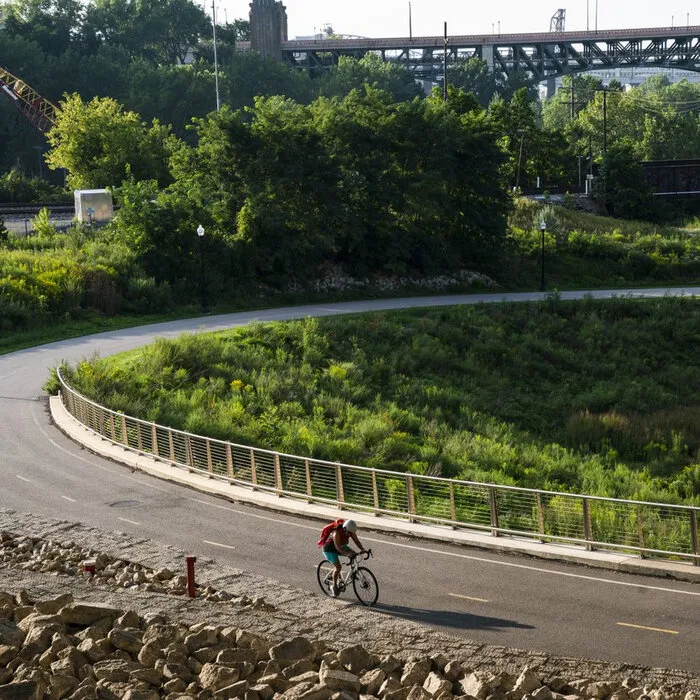
Cleveland champions many sustainability efforts, but one of the most impactful has been its investment in its parks and miles upon miles of trails for biking and hiking.
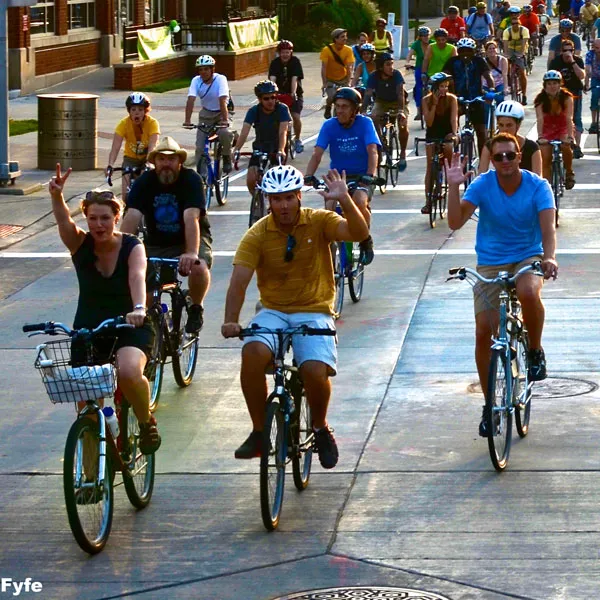
The city installed more than 70 miles of bike infrastructure with further initiatives to grow bike and scooter share programs and expanded parking locations in Cleveland, East Cleveland, Cleveland Hts., South Euclid and University Heights.
Traveling north to south, The Ohio & Erie Canalway Towpath Trail (or simply "The Towpath") takes visitors on an 101-mile journey from Downtown Cleveland through park systems in the counties of Cuyahoga, Summit, Stark and Tuscarawas.
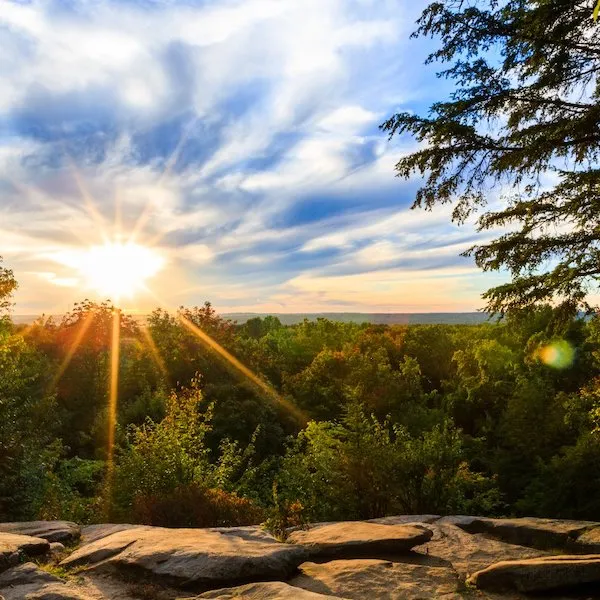
Add to that the excellent stewardship of the Cleveland Metroparks – an "emerald necklace" encompassing 23,000 acres and 300 miles of hiking trails – and Cuyahoga Valley National Park, it's clear The Land knows a thing or two about protecting its natural resources.